How to Buy Rare Books by Rees-Mogg
How to Buy Rare Books by Rees-Mogg
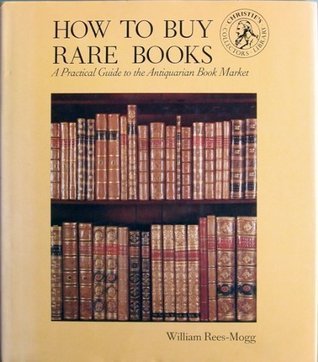
title: "How to Buy Rare Books: A Practical Guide to the Antiquarian Book Market" main-author: "William Rees-Mogg" tags:
- #book
 goodreads, wiki, amazon
openarchive, gutenberg
authors:
- William Rees-Mogg
pdf links:
- https://www.weberrarebooks.com/media/home/Cat202F.pdf
goodreads, wiki, amazon
openarchive, gutenberg
authors:
- William Rees-Mogg
pdf links:
- https://www.weberrarebooks.com/media/home/Cat202F.pdf
Short Description
"How to Buy Rare Books: A Practical Guide to the Antiquarian Book Market" offers insights into starting a book collection, identifying valuable antique books, and understanding book printing, binding, and storage.
Goodreads Description
Explains how to start a book collection, describes the qualities which make antique books valuable, and discusses book printing, binding, and storage
AI Summary
Certainly! Here's a summary with key ideas and bullet points for "How to Buy Rare Books: A Practical Guide to the Antiquarian Book Market":
Summary: "How to Buy Rare Books: A Practical Guide to the Antiquarian Book Market" is a comprehensive guide designed to help both new and experienced collectors navigate the world of rare books. It provides practical advice on identifying, evaluating, and acquiring rare books, emphasizing the importance of knowledge, careful research, and building a network within the antiquarian book community.
Key Ideas:
-
Understanding the Antiquarian Book Market:
- Overview of the history and evolution of the rare book market.
- Explanation of the basic terminology used in the trade.
- Insights into the primary marketplaces for rare books (auctions, dealers, online platforms).
-
Identifying Rare Books:
- Key factors that make a book rare or valuable: age, condition, edition, rarity, and demand.
- Importance of bibliographic knowledge and how to assess a book's edition and print history.
- Recognizing signs of authenticity and detecting forgeries or reprints.
-
Evaluating Condition and Provenance:
- Understanding grading systems for book conditions (fine, very good, good, fair, poor).
- Importance of provenance and how it can enhance a book's value.
- Factors affecting condition, such as dust jackets, binding, and any restorations.
-
Building a Collection:
- Setting personal goals and themes for collections (by author, genre, period).
- Strategies for starting and expanding a collection effectively.
- Importance of bibliography and reference works in a collector's library.
-
Buying and Selling Strategies:
- The role of negotiation and establishing relationships with dealers.
- How auctions work and strategies for participating.
- Understanding price guides and the importance of up-to-date market trends.
-
Preservation and Care:
- Best practices for storing and handling rare books to preserve their condition.
- Environmental factors to consider, such as light, temperature, and humidity.
- Restoration: when and how it should be done, and choosing a professional conservator.
-
Legal and Ethical Considerations:
- Legal considerations in buying and selling rare books, including import/export restrictions and cultural heritage laws.
- Ethical aspects of collecting, such as respecting public and cultural collections.
-
The Community and Resources:
- Importance of connecting with the antiquarian book community through fairs, clubs, and societies.
- Utilizing online resources, forums, and bibliographies for continuous learning.
- Professional organizations and certifications that can provide further support and credibility.
This guide emphasizes the joy and intellectual satisfaction of rare book collecting while highlighting the need for due diligence and a passion for lifelong learning in the field.