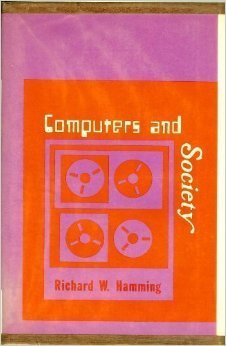
Computers and Society by Hamming
Computers and Society by Hamming
uuid: 20250221014808993049 title: "Computers and Society" main-author: "Richard Hamming" tags: - "#book"
- "#unclassified"
 goodreads, wiki, amazon
openarchive, gutenberg
authors:
- Richard Hamming
- Edward A. Feigenbaum
pdf links:
- https://yes.improv.org/default.aspx/fulldisplay/4020083/NumericalMethodsForScientistsAndEngineersRichardHamming.pdf
- https://www.netlib.org/bibnet/authors/h/hamming-richard-w.pdf
- https://abrahamthomas.info/assets/docs/hamming.pdf
- https://worrydream.com/refs/Hamming1997-TheArtofDoingScienceand_Engineering.pdf
goodreads, wiki, amazon
openarchive, gutenberg
authors:
- Richard Hamming
- Edward A. Feigenbaum
pdf links:
- https://yes.improv.org/default.aspx/fulldisplay/4020083/NumericalMethodsForScientistsAndEngineersRichardHamming.pdf
- https://www.netlib.org/bibnet/authors/h/hamming-richard-w.pdf
- https://abrahamthomas.info/assets/docs/hamming.pdf
- https://worrydream.com/refs/Hamming1997-TheArtofDoingScienceand_Engineering.pdf
Short Description
"Computers and Society" by Richard Hamming explores the profound impact of computing technology on society, addressing ethical considerations, future trends, and the intersection of computer science with human values. The book offers insights on how technological advances influence social structures, decision-making, education, and the evolving relationship between people and computers.
Goodreads Description
1972--McGraw Hill Inc.---Softcover
AI Summary
"Computers and Society" by Richard Hamming is a thought-provoking examination of the impact of computers on individuals, organizations, and society as a whole. It delves into the transformative power of computing technology and raises important questions about ethical considerations and societal change. Below is a summary of key ideas and themes presented in the book:
-
Interconnection of Computers and Society:
- The book highlights the pervasive influence of computers and how they are intertwined with nearly every aspect of modern life.
- Hamming emphasizes that understanding the societal implications of technology is crucial for harnessing its potential benefits and mitigating negative consequences.
-
Historical Context and Evolution:
- Hamming provides a historical perspective on the development of computing technology.
- The book describes the evolution from early mechanical calculators to modern digital computers and the exponential growth in computational power.
-
Ethical Implications:
- A significant portion of the book discusses the ethical considerations of computing.
- Hamming explores issues like privacy, security, and the ethical responsibilities of computer scientists and engineers.
-
Impact on Employment and Economy:
- The book examines how computers have transformed the job market and influenced economic structures.
- Hamming discusses both the potential for job displacement and the creation of new opportunities through technological advances.
-
Education and Learning:
- The role of computers in education is explored, with insights into how technology can enhance learning experiences and educational methodologies.
- Hamming considers both the advantages and challenges of integrating computers into educational settings.
-
Computational Thinking and Problem-Solving:
- Hamming emphasizes the importance of computational thinking as a skill necessary for modern problem-solving.
- The book advocates for teaching these skills across disciplines to prepare individuals for a technology-driven world.
-
Future Trajectories and Challenges:
- Hamming speculates on future developments in computing technology and the potential societal challenges that may arise.
- He encourages readers to think critically about future scenarios and to anticipate how society might adapt.
-
The Responsibility of Scientists and Engineers:
- The book calls on scientists and engineers to take responsibility for the social and ethical dimensions of their work.
- Hamming urges professionals to engage with public policy and societal issues to ensure positive technology integration.
In summary, "Computers and Society" serves as both a historical account and a forward-looking analysis of the relationship between computing technology and society. Hamming's insights invite readers to critically consider the social, ethical, and economic dimensions of technological progress.
Bertrand Russell Summary
In considering the tome "Computers and Society" by Richard Hamming, one must engage with a work that explores the symbiosis between the computational artifacts of humanity and the broader social milieu they inhabit. The author, a mathematician with profound acumen, embarks on an intellectual journey that scrutinizes the multifaceted impact of computers—machines borne from the marriage of mathematical logic and human ingenuity—on the fabric of society.
Hamming's narrative is an inquiry into the inevitable shifts our social order undergoes when faced with the rapid technological advancements embodied in computing machinery. He systematically unfolds the implications of computational power, both beneficial and detrimental, from the evolution of labor markets to the reshaping of epistemological frameworks. Such transformations necessitate a reevaluation of the human condition, as the extent of mechanical computation encroaches upon domains once thought exclusive to human intellect.
The text posits that computers, while initially devised to extend human capability, introduce complexities akin to those described in historical considerations of power, ethics, and responsibility. Hamming articulates, with both precision and foresight, how these digital mechanisms have the potential to alter the balance between individual autonomy and societal governance. He encourages the reader, much like a philosopher must, to ponder the ethical dimensions of computational advancements, advocating for a conscientious and reflective approach to their integration within the societal nexus.
In Hamming's exegesis, the reader is compelled to confront the paradoxes inherent in technological progress: the dual capacity of computers to augment human potential while simultaneously posing existential questions about our reliance on mechanistic processes. One is reminded of the philosophical inquiries into the nature of knowledge and the ethical implications of wielding such transformative power—considerations that are perennial in the quest for wisdom.
In sum, "Computers and Society" presents a salient narrative that demands not only a technological understanding but also a philosophical and ethical engagement with the transformations engendered by computational prowess. Echoing themes resonant with those who contemplate the future trajectory of human civilization, Hamming's work serves as an intellectual beacon guiding the prudent synthesis of human values with the inexorable advancements of technical ingenuity.
Notes
Original Content
- https://www.goodreads.com/book/show/16109413-computers-and-society
- wiki
- amazon
- openarchive
- gutenberg
- Richard Hamming
- Edward A. Feigenbaum
- https://yes.improv.org/default.aspx/fulldisplay/4020083/NumericalMethodsForScientistsAndEngineersRichardHamming.pdf
- https://www.netlib.org/bibnet/authors/h/hamming-richard-w.pdf
- https://abrahamthomas.info/assets/docs/hamming.pdf
- https://worrydream.com/refs/Hamming1997-TheArtofDoingScienceand_Engineering.pdf